
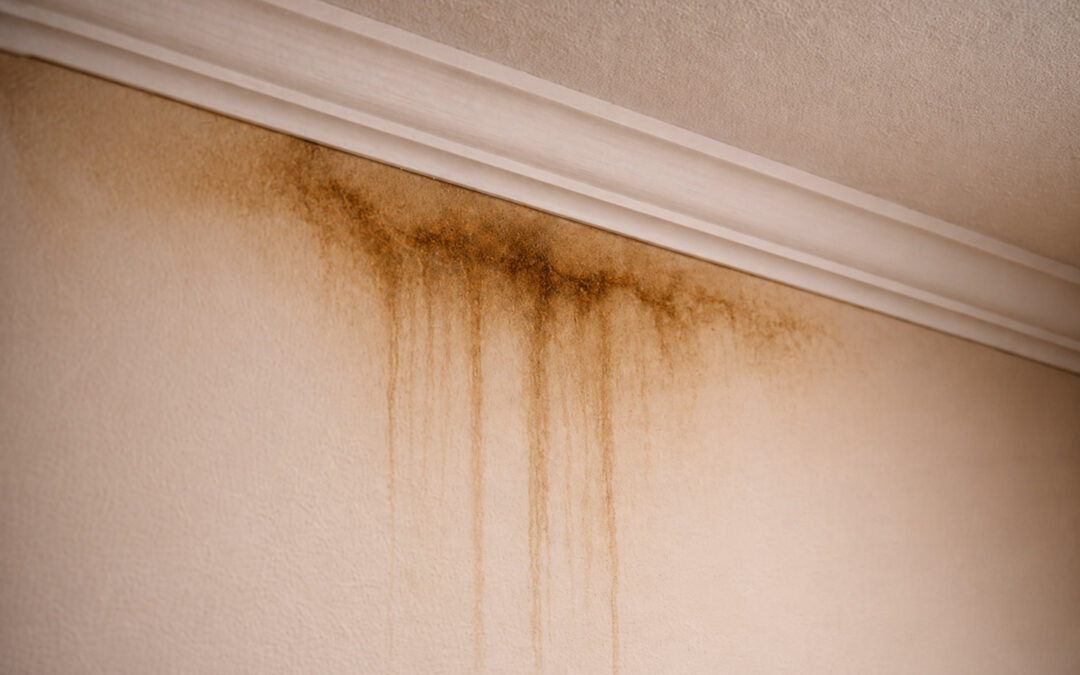
Water damage is often associated with major events. A burst pipe, a flooded unit, or a visible failure that demands immediate attention – and while these events are costly, they are not where most water-related risk begins.
In reality, the majority of water damage starts as a small, undetected issue. A slow leak behind a wall, a continuously running fixture, or a minor failure within a supply line can persist over time without triggering immediate concern. Because these issues develop quietly, they often go unnoticed until they have already caused meaningful damage.
This creates a disconnect between how risk is perceived and how it actually develops within a building.
Most properties are well-prepared to respond to large, visible incidents. Emergency protocols are in place, maintenance teams are trained, and response times are prioritized. However, the conditions that lead to those incidents often exist long before any visible signs appear. Without visibility into system behavior, early-stage issues remain hidden, increasing the likelihood of escalation.
Continuous water systems are particularly vulnerable in this regard. Toilets, supply lines, and other always-active infrastructure are under constant pressure and capable of flowing at any time. When a component begins to fail, the impact is not always immediate. Instead, it develops gradually, allowing water to move into areas where it is not intended to be, often behind walls, beneath flooring, or within cabinetry.
Over time, this can lead to structural damage, mold development, and costly remediation efforts. By the time the issue becomes visible, the scope of the problem has expanded significantly beyond the original cause.
Insurance claims related to water damage continue to be one of the most common and expensive categories for multifamily and hospitality properties. In many cases, the underlying issue could have been identified earlier if there had been visibility into system performance.
This is where the approach to water management begins to shift from reactive to preventative.
In practice, the earliest signs of water risk are subtle but measurable. A toilet that continues to draw water after a flush. A supply line that never fully shuts off. Flow occurring in a unit when there is no expected activity.
These are not dramatic failures. They are small, persistent conditions that continue until someone notices them.
Without visibility, they are invisible. With visibility, they are specific.
That specificity changes how teams respond. Maintenance is no longer based on broad inspection or guesswork. It becomes targeted, focused on the exact unit and the exact issue. Problems are resolved quickly, often before they extend beyond a single fixture or space.
This is where risk is actually reduced.
Water damage is rarely the result of a single moment. It is the result of time. Time between when an issue begins and when it is addressed.
Shorten that window, and the outcome changes. Sensor Industries can help your teams win – book a demo to get started.